The Tallest Tower in Dubai: An Architectural Marvel

Intro
Dubai's skyline glimmers with architectural wonders that captivate both the eye and the mind. Among these spectacular structures stands an iconic tower—one not merely aiming to scrape the heavens but inspire with its bold design and engineering prowess. This towering marvel tells a story that threads through the fabric of the city’s rapid development, economic vigor, and cultural renaissance. Drawing investments and tourists alike, this architectural feat not only symbolizes wealth and innovation but also plays a pivotal role in shaping the urban narrative of Dubai.
As we peel back the layers of this extraordinary tower, we’ll explore its intricate design, the engineering challenges that were overcome, and the impact it has on the local economy and real estate market. From its inception to its current status, each facet reveals much about Dubai as an emergent global hub. Furthermore, for investors and real estate professionals, understanding this landmark’s significance can unlock a wealth of opportunities within the burgeoning property landscape in this vibrant city.
Market Insights
Current Market Trends
In recent years, Dubai’s real estate market has experienced remarkable fluctuations. Economic reforms and a concerted push towards tourism have catalyzed growth in property investments, particularly in newer developments around the tallest tower. This ambition is fueled by both local and international investors, recognizing Dubai as a promising destination.
- Luxury Living: High-end apartments and penthouses have seen a surge in interest, drawing affluent buyers eager to invest in sophisticated living experiences.
- Commercial Growth: Properties that offer retail or corporate space are gaining traction, particularly among businesses eyeing Dubai as a regional hub.
- Sustainability Focus: With a keen shift towards sustainable development, newer projects often incorporate green technologies that appeal to environmentally-conscious investors.
Key Economic Indicators
Understanding the broader economic context is crucial for grasping the market’s dynamics.
- Population Growth: Dubai’s population is expected to reach nearly 3 million by 2030, fueling ongoing property demand.
- Tourism Figures: With over 15 million visitors annually, tourism acts as a significant driver for real estate investment.
- Economic Diversification: Efforts to diversify away from oil reliance continue, with sectors like technology and tourism becoming increasingly vital.
"In Dubai, the skyline is not just a reflection of architectural ambition but a barometer of economic vitality and cultural evolution."
Investment Opportunities
Hot Property Areas
Investors are keen to understand where growth is most likely to occur. Certain neighborhoods have emerged as frontrunners in the real estate market:
- Downtown Dubai: The vicinity surrounding the tallest tower remains a hotbed of lucrative opportunities, especially for luxury developments.
- Dubai Marina: This area merges leisure with business, making it attractive for both long-term buyers and short-term rental adjustments.
- Dubai Creek Harbor: Promising waterfront living and sustainability, this emerging locality beckons those looking to invest in future growth.
Tips for First-Time Investors
Navigating the property market can be a daunting task, especially for newcomers. Here are some helpful tips:
- Do Your Homework: Study the market trends and area specifics to better understand where to invest most wisely.
- Consult Local Experts: Engage with real estate agents who are well-versed in Dubai’s property landscape.
- Diversify Investments: Don’t put all your eggs in one basket; consider varying your investments across residential and commercial properties.
- Keep an Eye on Regulations: Familiarize yourself with local laws governing property ownership and investment, ensuring compliance.
Ending
As we traverse the topics of architectural brilliance and economic growth surrounding the tallest tower in Dubai, we discover a narrative of ambition, resilience, and strategic opportunities. The convergence of design and marketplace dynamics underscores the importance of this edifice, not just as a landmark but as a catalyst for growth that shapes not only the immediate area but the future of Dubai itself. For stakeholders ranging from seasoned investors to curious buyers, a thorough understanding of this iconic structure, and its wider implications, can offer profound insights into navigating this compelling real estate terrain.
Prolusion to the Tallest Tower in Dubai
Dubai’s skyline has become a symbol of ambition and innovation, showcasing architectural feats that very few cities can rival. Within this striking panorama, the tallest tower stands as a testament to human ingenuity and an emblem of the city’s meteoric rise since the 20th century. This introduction navigates through the essential elements that make the tallest tower in Dubai not just a building, but a pivotal landmark in global architecture.
As we delve into the attributes of this towering giant, it’s essential to consider how its sheer height redefines the possibilities of urban design. From its staggering elevation to its intricate design elements, this structure encapsulates the spirit of progress inherent in the UAE’s development strategy. Inspired by both local culture and futuristic ambitions, the tower is an architectural narrative that reflects Dubai’s aspirations.
The importance of this topic extends beyond architectural aficionados. Investors, real estate agents, and developers will find immense value in analyzing
- the engineering brilliance that enables such heights,
- the environmental considerations factored into its construction,
- and the economic impact that ripples through Dubai's ever-evolving market.
Understanding the tallest tower in Dubai paves a thorough pathway into the dynamics of urban growth and investment opportunities that radiate from this industrial marvel.
"The skyline of any city tells the story of its economic prosperity and cultural evolution. A singular structure can propel a community into a new era."
Overview of the Structure
To fully grasp the magnificence of the tallest tower in Dubai, one must first appreciate its scale and design. Towering at a staggering height of 828 meters, it is not merely the tallest building but a confluence of advanced engineering and aesthetic appeal. The design incorporates elements reminiscent of traditional Islamic architecture while embracing modern functionality, creating an aesthetic that is both grounded and transcendent.
- Height: The skyscraper rises to 828 meters, which puts it far ahead of its closest competitors globally, giving it a unique status among urban structures.
- Levels: It boasts 163 floors above ground, each level designed to accommodate diverse uses, from corporate offices to luxury residences and exquisite observation decks.
- Architectural Style: The seamless integration of glass and reinforced concrete creates a silhouette that is striking against the backdrop of Dubai’s vibrant sky.
The complexity of its structure is further illustrated by the innovations that arise during its construction. Techniques borrowed from fields such as aerospace engineering have been utilized to ensure safety and stability, setting a new benchmark to which future projects will aspire.
In summary, the overview of the tallest tower in Dubai encapsulates not only its architectural brilliance but also its significant role as a catalyst for growth, tourism, and global recognition of Dubai as a city unbounded by traditional limits. Understanding its structure is foundational for anyone interested in the intertwined narratives of architecture, economy, and culture within this dynamic metropolis.
Historical Context
Understanding the historical context surrounding the tallest tower in Dubai is crucial, as it sheds light on how this remarkable structure came to symbolize the city’s rapid growth and transformation. Dubai has evolved from a modest fishing village into a vibrant metropolis. The driving forces behind this evolution are complex, involving economic strategies, geopolitical considerations, and a desire to showcase architectural prowess.
Development of Dubai's Skyline
Dubai's skyline began to take shape in the late 20th century, but its rapid ascent into modern architectural fame began in the early 2000s. Before this period, there were just a handful of high rises, mainly focusing on residential and commercial functions. The government recognized the potential for tourism and business, prompting a wave of investment in iconic structures. The decision to build a tower that would dwarf existing buildings was part of an ambitious vision to position Dubai as a global city.
The tall buildings that followed reflected not just the architectural trends but an eagerness to outdo other cities worldwide. Each structure seemed to tell a story of innovation, pushing boundaries further than before. A few significant projects, such as the Burj Al Arab, served as stepping stones towards constructing even taller and more impressive edifaces.
Significant Past Projects
- Burj Al Arab: Often deemed the world’s only seven-star hotel, it marked a new era in luxury and design.
- Emirates Towers: Completed in the late 1990s, they brought a modernist approach to Dubai’s architectural identity.
- Dubai Mall: Opened in 2008, this shopping haven brought not only retail but also an entertainment hub that attracted millions.
- Located on a man-made island, its sail-like silhouette became an immediate icon for Dubai.
- The towers were among the tallest in the world at the time, widely praised for their sharp lines and glass facades.
- With its proximity to the tallest tower, it completed the vision of a luxurious urban district.
Not only did these projects lay the groundwork for subsequent constructions, but they also fostered a culture of innovation and creativity. By promoting collaboration among local builders and international architects, Dubai managed to create an environment ripe for futuristic designs.
In summary, the historical context of the tallest tower in Dubai reflects a comprehensive aspiration to redefine city living, catapulting Dubai onto the world stage. This journey is marked by key developments in its skyline and strategically significant projects that paved the way for future architectural marvels.
Architectural Design


When discussing the tallest tower in Dubai, one cannot overlook the pivotal role of architectural design. This aspect is not merely about aesthetics; it intersects with functionality, safety, and sustainability. The design serves as a canvas that blends cultural significance with modern innovation, making it a perfect emblem of Dubai's ambition.
Design Inspiration and Vision
The design inspiration for the tower can be traced back to various influences, all converging towards a singular vision of grandeur. The architects drew significantly from Islamic architecture, incorporating intricate geometric patterns that evoke a sense of heritage while adhering to contemporary trends. The vision was not solely to create a structure that stretches to the sky but to symbolize the economic vitality and cultural tapestry of Dubai. Elements like the winding design mimic the desert flower’s growth, subtly hinting at the region's natural landscape.
Moreover, this tower serves as a beacon of hope and progress. Every line and curve tells a story about dreams turned into reality. The inspiration extends beyond mere structural elements; it embodies an aspiration for sustainability, pushing the limits of what’s possible in current architectural practices. Ultimately, this design marries the traditional with the avant-garde, serving as a testament to human ingenuity.
Key Architectural Features
A myriad of architectural features distinguishes the tallest tower from other skyscrapers around the globe.
- Height and Scale: Towering over the skyline, it stands as a striking silhouette against the backdrop of the desert sky, capturing attention from all directions.
- Material Usage: The choice of materials goes beyond aesthetics. The use of reflective glass allows the building to shimmer in the sunlight, while high-strength concrete promises durability in harsh environmental conditions.
- Energy Efficiency: Designed with environmental considerations in mind, the tower incorporates green technologies. These include smart glass that reduces heat absorption and energy-efficient systems that optimize resource usage.
- Innovative Structure: The unique shape not only enhances its visual appeal but also improves wind resistance. This engineering marvel is designed to withstand fierce desert winds, ensuring safety and longevity.
"The tallest tower is a reflection of both human creativity and the quest for sustainable living amidst urban expansion."
These features do not merely serve functional purposes. They invite observers to explore and appreciate the complexities behind modern architectural practices. This careful blend of form, function, and sustainability has not just changed how buildings are constructed; it has set new standards in design philosophy that future generations will follow.
In summary, the architectural design of the tallest tower in Dubai encapsulates a cohesive vision where tradition meets innovation, establishing a framework for future skyscrapers while resonating deeply with the cultural identity of the city.
Engineering Challenges
The construction of the tallest tower in Dubai was not just a monumental feat of creativity but a significant engineering challenge that tested the limits of modern construction techniques. As ambition soared with aspirations for this towering structure, so too did the complexities involved in its construction. Addressing these challenges was crucial not only in making the vision a reality but also in ensuring the building's longevity and safety.
Innovative Solutions in Construction
With towering heights comes unique challenges that ordinary buildings don’t face. The first step was to ensure the foundation could support such an immense structure. Engineers used advanced techniques like deep foundation systems. For instance, an extensive raft foundation embedded into the ground is designed to distribute the weight evenly, preventing any issues from ground instability.
Additionally, to combat the wind forces at the tower's staggering height—where gusts can reach astonishing speeds—engineers employed tuned mass dampers. These large devices absorb and counteract building sway caused by strong winds. This innovative solution is effective; it is somewhat akin to balancing a tightrope walk with a sturdy pole, providing stability where it’s most needed.
Moreover, construction materials were chosen with utmost care. High-strength concrete was utilized not only for its durability but also for its ability to withstand the pressures exerted on skyscrapers. A significant innovation was the use of high-performance concrete mixed with advanced polymers. This special blend made the construction safer and less susceptible to cracking over time.
"Creating this engineering masterpiece required thinking outside the box and employing methods that had been reserved for space missions or high-tech industries."
Technological Advancements Used
The technological aspect of constructing the tallest tower intertwined seamlessly with its engineering challenges. State-of-the-art technologies played a crucial role in overseeing and executing the project efficiently. One remarkable advancement was the utilization of Building Information Modeling (BIM). This digital representation allowed engineers to visualize the entire project, anticipate challenges, and streamline workflows, ultimately saving time and resources.
Robotic technology also found a place in the construction process. Drones were deployed to survey the site from above, mapping out progress, and identifying potential hazards before they could escalate into significant issues. This proactive approach played a vital role in maintaining safety protocols across the construction site.
In terms of materials, the introduction of self-healing concrete marked a major milestone. This innovative mix contains bacteria that can reproduce and heal small cracks when they form, ensuring the tower remains resilient through time.
The integration of smart building technologies further exemplified how innovation shaped the project. Automated systems manage lighting, energy consumption, and climate control, promoting efficiency and sustainability as part of the tower's infrastructure.
By addressing the inherent engineering challenges with cutting-edge solutions, the tallest tower stands today not just as an architectural marvel, but also as a testament to human ingenuity and advancement in construction technology.
Cultural Significance
The cultural significance of the tallest tower in Dubai transcends mere structural engineering; it's a mirror reflecting the city's aspirations, identity, and history. This tower, beyond its impressive height and design, embodies a narrative that weaves together local heritage with modern ambition. For Dubai, a city that has rapidly transformed from modest beginnings into a global hub, this tower serves as both a beacon and a boundary marker of its cultural evolution.
Symbolism of the Tower
At its core, the tower symbolizes the resilience and innovation that characterize Dubai. It stands tall against the skyline, not just as a skyscraper, but as a testament to the spirit of the United Arab Emirates and a representation of what the future holds. Visitors and residents alike view it as a symbol of hope and progress. Here are a few facets illustrating the significance of this architectural marvel:
- A Fusion of Cultures: The design incorporates traditional Islamic motifs blended with modern aesthetics, embodying a cultural dialogue that respects heritage while embracing the future.
- A Gathering Space: The tower also functions as a social hub, where locals and tourists converge. Its observation decks offer breathtaking views, fostering a sense of community and shared experience.
- An Economic Beacon: It plays a crucial role in establishing Dubai as a center for global commerce and tourism. This affects GDP and attracts investments, which in turn supports the local economy.
- Visibility on the Global Stage: The tower's image is synonymous with Dubai, making it a key player in international marketing, thus reinforcing the emirate's brand as a modern metropolis.
"The tower does not merely point to the sky; it reaches out toward the world, inviting everyone to admire its grandeur and to partake in its story."
In sum, the cultural significance of the tallest tower in Dubai lies in its ability to galvanize a community, embody aspirations, and position Dubai on the international map. For investors and developers, understanding this aspect is crucial, as the tower’s narrative influences both property values and market behaviors. As such, it offers not only economic opportunities but also enriches the tapestry of the city's identity, ultimately shaping the way the world perceives Dubai.
For more insights on Dubai's unique architectural landscape, visit Britannica or Wikipedia.
Moreover, engaging in explorations about local culture through platforms like Reddit can provide a rich ground for discussion and learning.
Economic Impact
The economic implications of the tallest tower in Dubai stretch far beyond its staggering height and striking design. This section delves into how the tower influences not just the immediate vicinity, but the entire real estate landscape in Dubai, creating ripples through various sectors and fostering growth across the city.
Influence on Dubai's Real Estate Market
The introduction of this towering marvel has indeed become a catalyst for a whole new phase in Dubai's real estate dynamics. With its impressive stature, the tower has attracted both domestic and international attention, leading to a surge in interest from investors looking to capitalize on this architectural wonder.
Since its opening, the tower has had a considerable impact on the surrounding areas. Properties that were once considered out of reach are now viewed through a different lens, reshaping not just expectations but also prices. In many ways, it’s like a lighthouse guiding real estate market ships through uncharted waters. The development has encouraged the construction of luxury apartments, hotels, and commercial spaces nearby, amplifying the demand for high-end living and working environments.
Furthermore, the tower has increased foot traffic significantly in its nearby neighborhoods. This boom in activity has benefitted local businesses, from upscale restaurants to retail stores, enhancing the overall economic ecosystem in those areas.
Key Points of Influence:
- Market Valuation: Properties within sight of the tower have seen an uptick in value, driven by demand.
- Investment Opportunities: The structure has become a pivot point for new developments, creating numerous investment opportunities for both local and foreign investors.
- Tourism Surge: As a must-see destination, it naturally attracts tourists, who spend money on accommodations, dining, and shopping in the area, thus stimulating the local economy.
- Infrastructure Development: The economic spinoff from the tower has led to improved infrastructure, such as transportation and public services, making the surrounding area more attractive for future developments.
"Economic growth often blossoms from the foundations laid by significant architecture, where each brick can tell a story of investment and innovation."
This perspective is critical for investors, agents, and developers considering their next move in this booming market. The tallest tower symbolizes not just a height, but an opportunity beckoning those with the vision to grasp it.
Tourism and Visitor Experience
Tourism is a cornerstone of Dubai's economy, drawing millions of visitors annually from all corners of the globe. The tallest tower in Dubai not only serves as a remarkable architectural feat but also plays a crucial role in shaping the overall visitor experience. This section focuses on how the tower attracts tourists and enhances their stay in the city, ensuring a visit that transcends the typical.
Attracting Tourists to Dubai
Dubai's tourism strategy leverages the allure of its tallest tower to draw crowds. The tower acts as a beacon, symbolizing modernity and innovation, and is often the first landmark that engages the interest of potential visitors.
Here are some key points on how the tower encourages tourism:
- Iconic Status: The tower's unique silhouette against the skyline makes it instantly recognizable. Many travelers seek once-in-a-lifetime photo opportunities that include this architectural wonder.
- Cultural Hub: The tower often hosts events, exhibitions, and cultural activities, promoting local arts and traditions. This positions Dubai not just as a destination but as a vibrant cultural landscape, enriching the visitor experience.
- Accessibility: The tower's location within downtown Dubai means it's easy to incorporate into any travel itinerary. Being central allows tourists to explore other nearby attractions, creating a seamless travel experience.
As such, the tallest tower isn't just a building; it stands as a compelling reason for tourists to visit.
Experiential Offerings at the Tower
Beyond its physical presence, the experience associated with visiting the tower is meticulously crafted to leave lasting impressions on tourists.
Key experiential offerings include:
- Observation Decks: The tower features observation decks that provide panoramic views of the city and beyond. People visiting often describe their time at the heights as breathtaking, creating a memorable experience that they cherish.
- Dining Options: The presence of high-end restaurants within the tower allows visitors to enjoy gourmet meals while reveling in the cityscape views. These culinary experiences cater to both tourists and residents, enhancing their overall visit.
- Interactive Experiences: Utilizing technology, visitors can engage in multimedia experiences that narrate the tower's history and architectural journey. Such interactive elements foster a deep connection with the structure, ensuring visitors don't just see it, but truly understand its significance.
"The tower is not merely an architectural wonder; it’s an experience that stays with you long after you leave."
Through these offerings, the tallest tower in Dubai elevates the visitor experience, merging awe with education, and paving the path for greater tourism growth in the city.
Comparison with Other Tall Structures
When discussing the tallest tower in Dubai, it’s essential to draw comparisons with other colossal structures around the globe. This not only helps put its magnitude into perspective but also showcases advancements in architecture and engineering that influence current and future projects. By analyzing such comparisons, we uncover unique insights into design philosophies, cultural significances, and the ever-evolving standards of height in architecture.
Architectural Peer Review
Within the realm of tall structures, the quest for height is nuanced by various architectural philosophies and aesthetic sensibilities. The Dubai tower stands alongside notable counterparts like the Burj Khalifa, the Shanghai Tower, and One World Trade Center. Each of these edifices brings something distinct to the table:
- Burj Khalifa: The tallest of them all, standing as a symbol of Dubai’s rapid modernization.
- Shanghai Tower: Known for its sustainability efforts and dual-purpose design that incorporates both commercial and public spaces.
- One World Trade Center: Epitomizes resilience, rising as a testament to recovery and rebirth following significant historical events.
The peer review of their architectural significance often hinges on how these towers reflect their cities’ identities. For instance, while the Burj Khalifa dazzles with luxurious elements and an observation deck that attracts millions, the Shanghai Tower emphasizes eco-friendly features with its twisting design that minimizes wind resistance. This blend of function and art is pivotal to how these structures are perceived in the eyes of architects and critics alike.
"The beauty of tall structures lies not just in their height, but in the stories they tell about innovation and community."
— Urban Architect, Mark Fenton
Height and Design Comparisons
Height, though a tangible metric, carries intangible significance. While numerical values often enter discussions when measuring these giants, exploring their design underlines the subjective experience of ascension. For instance, the Burj Khalifa reaches 828 meters with a sleek glass façade, instilling a sense of elegance and aspiration.
In contrast, the Shanghai Tower’s height of 632 meters is accompanied by a unique spiraling form that deflects high winds, showcasing not just a numeric achievement but also responsiveness to environmental challenges.
Here’s a closer look at some key comparisons:
- Overall Height:
- Primary Materials Used:
- Unique Features:
- Burj Khalifa: 828 meters
- Shanghai Tower: 632 meters
- One World Trade Center: 541 meters
- Burj Khalifa: Reinforced concrete and glass
- Shanghai Tower: Steel and glass for flexible resilience
- One World Trade Center: Steel and concrete to enhance security
- Burj Khalifa: Observation deck on the 148th floor
- Shanghai Tower: A double-skin façade enhancing insulation
- One World Trade Center: Symbolic spire representing hope
Understanding these nuances is crucial for investors and developers as they look to the future of urban skylines. The lessons learned from these architectural pursuits can inform emerging projects and reveal trends that will shape forthcoming developments.
The discussions around such towering feats of architecture not only satiate the appetite of enthusiasts and critics but also bridge the gap between historical practices and modern innovations, inspiring future generations of architects and urban planners alike.
Future Developments in Dubai's Skyline
The skyline of Dubai is a living, breathing entity that constantly evolves and transforms with time. Future developments play a critical role in this dynamic arena, influencing not only the aesthetics of the city but also its overall economic vitality and community fabric. As urban landscapes become increasingly competitive, the way Dubai approaches its architectural expansion offers significant insights into broader trends in globalization, sustainability, and urban living.
Emerging Projects and Trends
Dubai's ambitious vision for its future includes a slew of projects that promise to redefine its skylines. Some notable ventures include:
- Dubai Creek Tower: Poised to surpass the Burj Khalifa, this structure aims to blend cutting-edge design with cultural heritage, reflecting the region’s rich history while looking to the future.
- The Museum of the Future: An architectural marvel itself, this building represents not only a physical structure but also a mindset geared towards innovation and exploration of humanity's future.
- Dubai Harbour: Offering a blend of leisure, retail, dining, and residential spaces, this project aims to enhance the tourism sector while promoting maritime activities.
In addition to these iconic structures, there is a noticeable shift towards green buildings and sustainable architecture. Developers are increasingly incorporating eco-friendly materials and energy-efficient technologies in their designs, seeking to minimize their carbon footprint and promote a healthier environment.
Staying ahead of trends, developers are also exploring mixed-use developments, combining residential, commercial, and recreational spaces to create self-sustaining communities. This holistic approach not only meets the demands of a growing population but also encourages a vibrant lifestyle, fostering community interaction.
Long-Term Urban Planning
Long-term urban planning is essential for maintaining the city’s unique identity while approaching modernization responsibility. It lays the groundwork for creativity and resilience against potential challenges such as urban sprawl and resource management. Key considerations in this planning process include:
- Infrastructure Development: Investments in transportation systems, water supply, waste management, and energy utilities are critical. Infrastructure supports not just the existing communities but also the growing influx of visitors and residents.
- Community Engagement: Involving local communities in urban planning discussions ensures developments reflect the needs and aspirations of the people living there. This might include public forums or surveys to gauge feedback on proposed projects.
- Environmental Sustainability: As urban centers expand, so does their environmental impact. Frameworks for sustainable development are key in addressing climate change, promoting green spaces, and enhancing biodiversity within the urban context.
Moving forward, the integration of smart city initiatives represents a promising trend. Technologies that streamline city management and improve quality of life are becoming prevalent, with features like integrated public transportation systems and real-time data analytics enhancing operational efficiency.
“The architecture of the future must reflect not just what we dream but how we live,” captures the essence of what's at stake as Dubai charts its course to new heights.
Environmental Considerations
The construction of the tallest tower in Dubai goes beyond sheer height; it intertwines with the critical need for environmental consciousness. In a world where climate change looms large and sustainability is at the forefront, this structure serves as both an architectural marvel and a case study in eco-friendly building practices. Here, we explore the integral aspects of environmental considerations that shaped its development and continue to guide its operation.
Sustainability Practices in Construction
The sustainability practices employed during the construction of the tower are hallmark examples of how modern engineering can harmonize with ecological responsibilities. A few primary elements stand out:
- Use of Recycled Materials: Significant portions of the tower's structure incorporate recycled materials, decreasing waste and reducing the demand for new resources. Materials such as steel and concrete, crucial in high-rise construction, have been recycled and repurposed effectively.
- Energy Efficiency: The design aims for maximum energy efficiency. Large glass panels allow natural light to flood the interiors, thereby minimizing artificial lighting needs during the day. Furthermore, advanced solar unit systems have been installed, capturing renewable energy to supplement the tower's energy demands.
- Water Conservation: A sophisticated rainwater harvesting system collects and reuses rainwater for landscaping and other non-potable purposes. This not only conserves water but also minimizes the burden on the municipal supply.
Additionally, the tower has implemented technologies to monitor and improve its environmental performance. Smart monitoring systems track energy consumption, making it easier to identify areas for improvement. This kind of innovation not only caters to environmental concerns but also offers significant cost savings over time.
"The future of architecture must embrace sustainability as a fundamental design principle, not just an add-on. The tallest tower in Dubai stands as a testament to this shift."
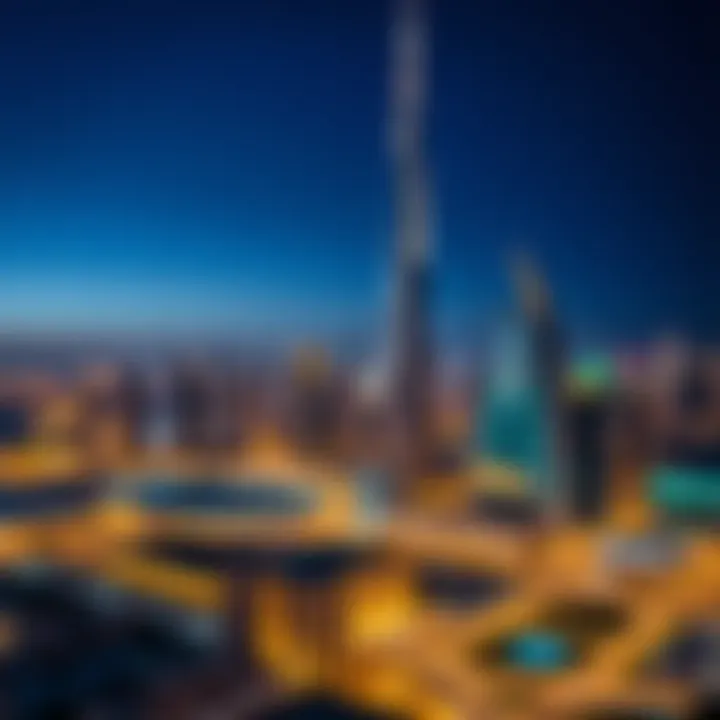
As urban centers grow, integrating sustainable practices into large-scale projects becomes essential. Each aspect of the tower's construction reflects a commitment to reducing its ecological footprint, demonstrating that grandeur can indeed coexist with responsibility.
Local Community Engagement
Community involvement is a crucial element in the narrative surrounding any landmark, but particularly so in the case of the tallest tower in Dubai. As the tower stands as a symbol of modernity and ambition, its engagement with the local community enhances the tower’s relevance within the cultural and social fabric of the emirate. This relationship establishes a sense of belonging and provides mutual benefits, creating an atmosphere where the tower is not just an isolated architectural marvel but a part of the everyday lives of the residents.
Building Community Partnerships
To foster this connection, developers and local authorities have initiated various partnerships aimed at integrating the tower more seamlessly with Dubai's neighborhoods. Effective community engagement relies heavily on collaboration. Here are some of the essential aspects of building these partnerships:
- Local Stakeholder Involvement: By involving community groups and local businesses in the planning and development stages, it ensures that their voices are heard. This leads to projects that are more in tune with the needs and desires of those who live nearby.
- Cultural Programs and Events: Events hosted at the tower can serve to bridge the gap between residents and visitors. Workshops, exhibitions, and festivals highlight local artists and cultural traditions, fostering pride and collaboration:
- Sustainability Initiatives: Community-driven sustainability programs can promote environmental responsibility and enhance the tower's image as a community-conscious entity. These include local clean-up projects where residents are invited to help maintain public spaces around the tower.
- Inaugural Ceremonies: The tower's opening often features local artists, boosting community visibility and involvement.
- Ongoing Workshops: Regular engagement events can turn the tower into a cultural hub, attracting both residents and tourists alike.
The aim of these partnerships is not just to solidify the tower’s status as a landmark but as a facilitator of connection among people. "A building is not just a mere structure; it is a pivotal part of the community it resides in," says a prominent local architect. Through joint initiatives, the tallest tower in Dubai not only seeks to stand tall but also aims to uplift and unite its community.
For more comprehensive insights on community development in urban projects, visit Wikipedia's article on community planning or check academic discussions at Britannica.
The height of ambition embodied by the tower is matched only by the depth of community ties that it seeks to establish, ensuring its legacy isn’t defined solely by its structure, but also by the people it touches.
Architectural Recognition
When discussing the tallest tower in Dubai, architectural recognition is a pivotal aspect that cannot be overlooked. This recognition reflects the collective appreciation for design ingenuity, engineering prowess, and the ability to push boundaries in the realm of construction. It highlights how the tower transcends its physical presence, becoming a symbol of innovation and ambition that captivates the imagination not just of locals, but of the global community as well.
Acclaimed structures are often lauded for specific elements including aesthetic appeal, sustainability practices, and state-of-the-art technology. These factors work together to create a masterpiece that stands the test of time. Architectural recognition also has far-reaching implications, positively impacting tourism, elevating local culture, and contributing to the economic landscape.
Awards and Accolades
Such towering structures are frequently celebrated with various awards and accolades that acknowledge and highlight their exceptional qualities. The criteria often used to determine these honors can vary, but typically address the following:
- Design Excellence: Recognition for the unique architectural vision, such as the creative use of materials and forms. In Dubai's tower, the blend of traditional and modern designs has received praise from many in the architecture community.
- Sustainability: Awards that focus on energy efficiency and environmental-friendly building practices are vital, especially as the world grapples with climate issues. The use of advanced technology in energy management within the tower may earn it accolades in this area.
- Innovative Engineering: Accolades for overcoming construction challenges through innovative methods can also be significant. The techniques employed to ensure stability and safety in the construction of such a tall structure are often recognized in engineering circles.
"Recognition of such architectural feats serves not just as trophies, but as inspiration for future developments in urban planning and design. It shows what is possible when creativity meets thriving resources and technology."
The impact of these awards is multifaceted. Investors often look at these accolades as a sign of viability, while potential residents and tourists may view them as a marker of prestige and desirability. When a building garners critical acclaim, it attracts not just attention but also investments and partnerships, enhancing its profile even further.
In summary, architectural recognition plays a crucial role in elevating the profile of the tallest tower in Dubai. It serves as an acknowledgment of remarkable achievements in design and engineering and becomes a pivotal part of the narrative surrounding Dubai's rapid evolution into a global architectural hub.
For further reading, you can explore resources at Wikipedia or check discussions on platforms like Reddit.
Critical Reception
The section regarding critical reception is essential for understanding how the tallest tower in Dubai has been perceived by both the architectural community and the general public. This not only reflects the structure's design and engineering prowess but also illustrates its broader impact on cultural and economic landscapes. By analyzing the feedback from experts and critics, we can grasp the significance of this architectural marvel in the context of contemporary design and urban development.
Architectural criticism plays a vital role in shaping public perception and appreciation of such a monumental structure. When professionals in architecture voice their opinions, they usually consider various factors like aesthetic appeal, structural integrity, and its integration into the cityscape. Positive reviews can enhance the tower's reputation, drawing more tourists and potential buyers. Conversely, negative feedback can cloud public perception, leading to questions about the project's value and its place in Dubai's grand vision.
Feedback from Architects and Critics
Feedback from architects and critics regarding the tallest tower in Dubai encompasses a wide range of opinions reflecting both admiration and scrutiny. Critics often highlight the following key elements:
- Innovative Design: Many architects praise the tower's groundbreaking design, which embodies a marriage of traditional values with modern aesthetics. Its form resembles a budding flower, which is symbolic of growth and renewal.
- Engineering Feats: Engineers and critics alike commend the advanced technology employed in the tower's construction. Building such a high structure in an area prone to high winds and seismic activity required cutting-edge materials and techniques.
- Cultural Impact: Some critics articulate concerns that the tower might overshadow the cultural identity of the city. They argue that while it is an engineering triumph, it sometimes represents an ethos of excess that can be at odds with local traditions.
- Environmental Concerns: Several voices express worries about the tower's ecological footprint. Construction methods and the sustained energy consumption of such a massive structure are scrutinized. But on the flip side, some recognize efforts taken toward sustainability during construction and operation.
"The tallest tower in Dubai is not just a building; it represents a pursuit of the extraordinary in the mundane landscape of urban life."
— Noted architectural critic, Robert S.
Living Spaces and Amenities
The integration of living spaces and amenities within the tallest tower in Dubai transcends mere aesthetics; it encapsulates a lifestyle. Understanding these facets is crucial for potential investors and buyers as it influences the overall satisfaction and quality of life for residents. Living in such a remarkable structure doesn't just mean having a roof over your head; it's about embracing a new way of living that is both luxurious and innovative.
Residential Offerings in the Tower
The residential offerings in the tower present a unique amalgamation of luxury and comfort. Units range from sleek, modern apartments to expansive penthouses, each designed with meticulous attention to detail. Here’s what sets them apart:
- Variety of Spaces: From one-bedroom units ideal for young professionals to sprawling penthouses for those who desire grandeur, the tower caters to diverse preferences. With such an assortment, buyers can find their perfect fit.
- Stunning Views: One of the primary delights of living in the tower is the breathtaking views. Floor-to-ceiling windows allow for maximum natural light, making every space feel open and airy. Imagine sipping coffee while gazing at the horizon and the bustling city below.
- Cutting-Edge Amenities: Residents can enjoy state-of-the-art facilities that go beyond the traditional. From a gym equipped with the latest technologies to serene rooftop pools overlooking the skyline, the tower offers entertainment and relaxation options right at residents' doorsteps.
- Community Feel: Even amid high-rise living, the tower fosters a sense of community through shared spaces and events. Common lounges provide the perfect backdrop for fostering connections, whether it be casual meet-ups or organized gatherings.
The integration of amenities and living spaces goes beyond comfort; it shapes a vibrant community that thrives on the blend of luxury and accessibility.
- Accessibility: These residences are not just homes but strategically positioned to offer residents quick access to key areas in Dubai. Proximity to commercial hubs makes commuting a breeze, enhancing urban living.
- Sustainable Features: In today's world, environmental considerations are imperative. The tower includes green technologies ensuring energy efficiency in all residential offerings, an attractive feature for eco-conscious buyers.
In summary, the residential offerings in the tallest tower in Dubai are not merely about the living space; they embody a lifestyle marked by luxury, community, and convenience. For prospective investors, the potential for appreciation in value enhances the appeal, as these qualities attract high-demand renters and buyers alike.
For more information about Dubai’s residential real estate dynamics, visit Wikipedia or Britannica.
Commercial Opportunities
The towering presence of Dubai's gleaming giant isn't just a matter of pride for the architects and engineers behind it; it represents a hotbed for commercial opportunities that attract investors from all walks of life. With the unyielding growth of global interest in Dubai's real estate sector, the opportunities arising from this magnificent structure are manifold. They offer a potential goldmine for businesses, entrepreneurs, and investors alike.
Business Ventures and Investments
Within the shadows of the tallest tower, a world of business ventures flourishes. The strategic significance of this architectural wonder extends beyond its mere height; it is also a beacon for international investments. Here are a few aspects that greatly highlight the commercial potential associated with this skyscraper:
- Retail Spaces: With the tower housing luxurious shops, from high-end fashion brands to gourmet dining, it's a magnet for affluence and sophistication. Investors can consider partnering with brands to secure a foothold in this posh marketplace.
- Office Spaces: High-rise buildings create opportunities for premium office spaces. Many multinational companies seek a presence in iconic locations as it boosts company image. This tower's reputation ensures demand for office rentals at premium rates.
- Mixed-Use Developments: The integration of residential, retail, and commercial spaces caters to a variety of needs. Investing in mixed-use developments can tap into diverse revenue streams and appeal to a wider audience.
- Networking Events: Hosting business events, conventions, and exhibitions within the tower can generate significant revenue. The venue attracts footfall from international corporations looking to network and collaborate.
- Investment Opportunities: The increasing real estate value in the vicinity can result in a substantial return on investment. Investors should keep a close eye on property trends and consider strategic investments in commercial spaces in and around the tower.
Planning for ventures in such a high-visibility location calls for meticulous execution. Considering factors like accessibility, target audience, and customer experience can make or break the profitability of the business.
"The tallest tower is more than just a breathtaking marvel; it’s an ecosystem of business opportunities waiting to be explored."
In summation, the commercial opportunities presented by this iconic structure are vast. They create a vibrant market for prospective investors and businesses alike. By comprehensively understanding the economic landscape surrounding the tower, stakeholders can carve out their share of this dynamic market. As Dubai continues to draw crowds and investments, the long-term prospects remain robust for those willing to navigate this evolving landscape.
Ending: The Tower’s Legacy
As we draw the curtain on our exploration of Dubai's tallest tower, it's essential to reflect on its enduring legacy. This magnificent structure is more than just a pinnacle of architectural achievement; it stands as a testament to human ingenuity and determination. The significance of this tower extends far beyond its impressive height; it embodies the spirit of a city that continuously pushes boundaries.
The tower has had profound implications on various fronts:
- Economic Development: It's been a catalyst for growth, attracting businesses and investments from around the globe. An infrastructure of this scale draws not only tourism but also commercial ventures, changing the dynamics of local and international markets.
- Cultural Symbolism: This structure has also painted a clear picture of Dubai's ambition in the architectural landscape. It serves as a beacon of modernity, reflecting the city’s swift transformation from a modest coastal settlement to a bustling metropolis.
- Urban Visitor Experience: Furthermore, the importance of this tower in terms of tourism cannot be overstated. With its remarkable observation decks and luxury amenities, the tower has made a significant contribution to Dubai's appeal as a world-class destination.